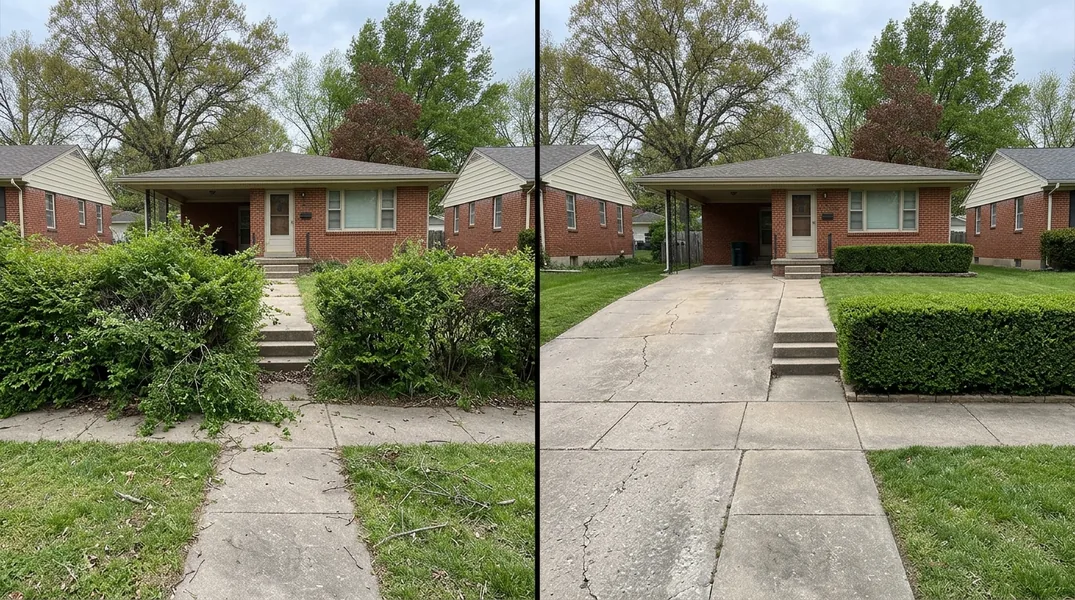
Tree Trimming vs Tree Removal: Understanding Your Options
When you notice a tree on your property showing signs of stress, disease, or overgrowth, the first question most homeowners ask is simple: can it be saved, or does it need to go? The answer isn't always straightforward, but understanding the difference between Tree Trimming & Pruning and Tree Removal is the first step toward making the right decision for your landscape.
The good news is that many trees that appear to be in trouble can actually be restored to health through proper trimming and pruning. Trees are remarkably resilient when given professional care. However, some trees have progressed beyond the point of recovery and pose genuine safety risks to your home, family, and neighbors. In Springfield, where we experience everything from ice storms to summer heat stress, knowing the difference between a tree worth saving and one that needs removal can save you money and heartache down the road.
Signs Your Tree Can Be Saved Through Trimming
A healthy tree that simply needs better structure and appearance is an excellent candidate for professional trimming. If your tree has branches that are crossing, rubbing against each other, or growing inward toward the trunk, Tree Trimming & Pruning can restore its natural form and improve air circulation throughout the canopy. Trees with dense foliage that blocks sunlight from reaching your yard or home often benefit from selective pruning that opens up the crown while maintaining the tree's overall health and structure.
Trees showing early signs of disease, pest damage, or storm damage may also be candidates for trimming rather than removal. If only certain branches are affected by disease or broken limbs, removing those problem areas can stop the spread and allow the tree to compartmentalize and heal. Young trees with poor branch angles or structural problems can often be corrected through early intervention with proper pruning techniques. Additionally, trees that have become overgrown and are competing with nearby structures or power lines can be brought back into balance through careful, strategic trimming that reduces their size while maintaining their health and natural appearance.
When Removal Becomes the Safer Choice
Not every tree can or should be saved. A hazard tree assessment is essential when you're uncertain about your tree's future. Trees that are severely diseased, structurally compromised, or leaning dangerously should be evaluated by a professional arborist who can determine whether trimming offers any real benefit or if Tree Removal is the safer option. Dead trees, trees with large cavities or hollow sections, and trees that have lost significant portions of their canopy due to storm damage often cannot recover, no matter how much trimming you do.
A tree that is leaning significantly toward your home, garage, shed, or power lines is a serious liability. Even if the tree appears healthy, its compromised root system or structural weakness means it could fail without warning, especially during severe weather. Trees that are actively dropping large branches, showing signs of extensive pest infestation, or have multiple trunks that are splitting apart are candidates for removal. In Springfield, where thunderstorms and ice storms are common, a weakened tree is not worth the risk to your property and safety.
Hazard Tree Assessment Springfield: What Professionals Look For
A proper hazard tree assessment goes beyond a casual glance at your tree's appearance. Professional arborists evaluate multiple factors to determine whether a tree poses a genuine risk. They examine the tree's overall structure, looking for signs of decay, cavities, cracks in the trunk, and branch angles that suggest weakness. They assess the tree's lean, its root collar condition, and whether there are signs of root damage or soil compaction around the base. They also consider what the tree might hit if it failed, whether that's your home, a neighbor's property, vehicles, or power lines.
During a hazard tree assessment, professionals also evaluate the tree's species, age, and overall vitality. Some species are more prone to disease or structural failure than others. A tree that is already stressed by drought, poor soil conditions, or previous damage is more likely to decline further and may not respond well to trimming. The assessment also considers the tree's location and proximity to structures. A large oak tree 50 feet from your house presents a different risk profile than the same tree 10 feet away. If you're uncertain about whether your tree should stay or go, reaching out for a professional evaluation is the smartest first step.
The Cost Consideration: Trimming vs Removal
Cost is often a factor in the trimming versus removal decision, but it's important to understand that the cheapest option isn't always the best option. Professional Tree Trimming & Pruning is typically less expensive than Tree Removal, especially for smaller trees. However, if a tree is in poor health and trimming won't solve the underlying problem, you may end up paying for trimming work now and removal later, which costs more in the long run. A tree that continues to decline or poses an increasing safety risk may ultimately require removal anyway, making the trimming expense a wasted investment.
Removal also often includes Stump Grinding, which is an additional cost but necessary for complete site restoration. When you factor in the potential cost of property damage from a falling tree, liability concerns, or the need for emergency services, investing in professional assessment and proper care now can save significant money and stress. Springfield Tree Service can provide you with a free estimate for either trimming or removal, allowing you to make an informed decision based on your specific situation and budget.
Making the Right Decision for Your Springfield Property
Ultimately, the decision between trimming and removal should be based on the tree's health, structural integrity, location, and the risks it poses to your property. If a tree can be restored to health and safety through professional trimming, that's usually the preferred option. It preserves the shade, beauty, and environmental benefits that mature trees provide. However, if a tree is severely compromised and poses a genuine risk, removal is the responsible choice, even if it's more costly and emotionally difficult.
The best approach is to have a professional arborist conduct a hazard tree assessment so you can make an informed decision with confidence. Don't guess or delay when it comes to tree safety. If you're in Springfield and have concerns about any tree on your property, contact Springfield Tree Service today at (417) 329-2977 to schedule your free estimate. Our experienced team can evaluate your tree's condition and recommend the best course of action to keep your property safe and beautiful.
Looking for a professional tree service contractor in Springfield? Springfield Tree Service responds fast for all your tree service needs.
Get a Free QuoteOur services: Tree Removal · Tree Trimming & Pruning · Stump Grinding