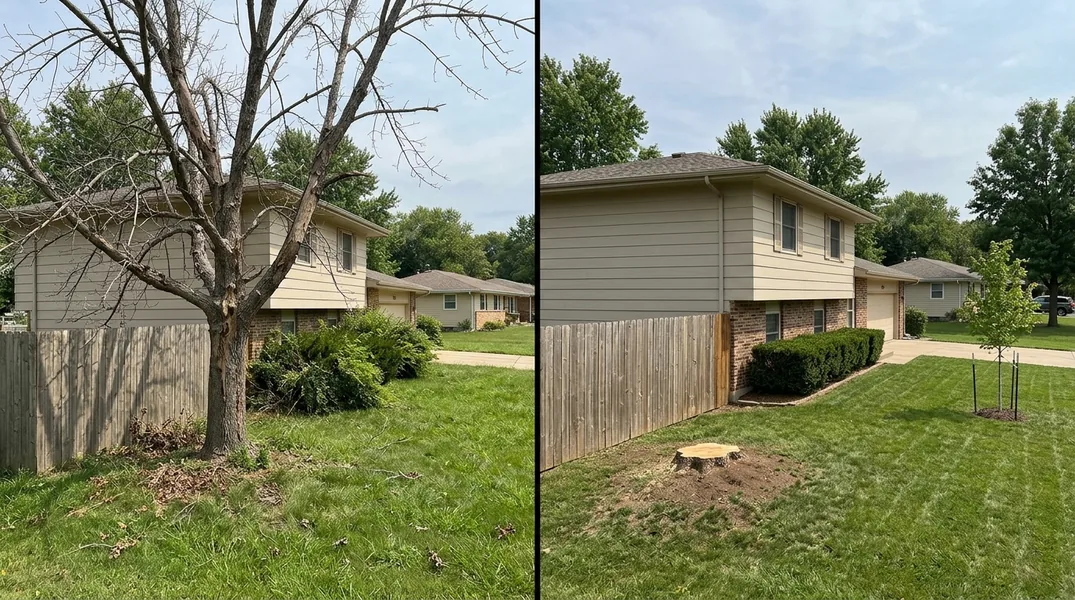
Understanding Springfield Street Tree Rules and Regulations
Before you pick up a chainsaw or call a contractor, it's important to understand the local regulations governing Tree Removal in Springfield. The city has specific ordinances designed to protect the urban forest, maintain property values, and ensure public safety. These rules apply whether you're removing a dead oak in your backyard or a towering pine near your foundation. Violating these regulations can result in fines, liability issues, and costly remediation work.
The City of Springfield maintains detailed guidelines about which trees require permits, which trees are protected, and what procedures must be followed before removal begins. Many homeowners assume that any tree on their private property can be removed without permission, but that's not always the case. Some species are protected under local ordinances, and certain locations on your property may fall under right-of-way restrictions that limit what you can do. Understanding these distinctions upfront can save you time, money, and legal headaches.
Right-of-Way Trees: Who Owns Them and Who Can Remove Them
One of the most common sources of confusion for Springfield homeowners involves right-of-way trees. The area between your property line and the street or sidewalk is typically considered public right-of-way, and any tree growing in that space may be owned and maintained by the city rather than by you. This means you cannot simply remove a right-of-way tree without permission, even if it's causing problems on your side of the property line. The city has authority over these trees because they often affect public utilities, sidewalk safety, and street visibility.
If a right-of-way tree is dead, diseased, or poses a hazard, you'll need to contact the City of Springfield's Parks and Recreation Department to request removal or Tree Trimming & Pruning. The city will assess the situation and determine whether action is necessary. In some cases, they may remove the tree at no cost to you. In other cases, they may deny the request if the tree is deemed healthy and valuable to the streetscape. Never attempt to remove or significantly prune a right-of-way tree on your own, as this can result in citations and fines. If you're unsure whether a tree is in the right-of-way, measure the distance from your property line to the tree's trunk, or contact Springfield Tree Service at (417) 329-2977 for clarification.
Trees Near Power Lines: Safety First and Professional Help Required
Trees growing near utility lines present serious safety hazards and require special handling. Whether your tree is near power lines, cable lines, or telephone wires, removing or pruning it yourself is extremely dangerous and almost always illegal. High-voltage power lines can cause electrocution, explosions, and fires if contacted by a tree or chainsaw. Even trained arborists must follow strict safety protocols when working near electrical infrastructure, and many utility companies require certified professionals to handle these situations.
In Missouri, utility companies have the right to trim or remove trees that threaten their lines, but homeowners typically cannot do this work independently. If you notice a tree branch hanging over power lines or a tree that's at risk of falling into utility infrastructure, contact your local utility provider immediately. They may send a crew to handle the trimming at no cost, or they may coordinate with a licensed contractor to perform the work safely. If you need professional help assessing the risk or arranging safe removal, Springfield Tree Service can evaluate the situation and work with utility providers to ensure compliance with all safety regulations.
Do You Need a Tree Removal Permit in Springfield, Missouri?
The short answer is: sometimes. Not every tree removal in Springfield requires a formal permit, but many do, and determining which category your tree falls into requires understanding local ordinances. Protected species, heritage trees, and trees above a certain diameter typically require permits before removal. Additionally, if your tree removal might affect public safety, utilities, or drainage patterns, a permit is likely required. The permit process exists to ensure that tree removal decisions don't negatively impact the community's environmental health and aesthetic character.
To find out whether your specific situation requires a tree removal permit, contact the City of Springfield Planning and Development Department or reach out to Springfield Tree Service for guidance. Our team has extensive experience with local regulations and can help you determine permit requirements before you proceed. Attempting to remove a protected tree without a permit can result in fines ranging from hundreds to thousands of dollars, plus the cost of remediation. When in doubt, it's always better to ask first. We recommend getting a free estimate from a local professional who can assess your tree and advise you on all regulatory requirements.
What to Check Before You Remove a Tree: A Homeowner's Checklist
Before you hire a contractor or attempt any tree work yourself, run through this essential checklist to ensure you're complying with Springfield regulations. First, confirm whether the tree is on your property or in the right-of-way by measuring from your property line. Next, identify the tree species, as some are protected under local ordinances. Check whether the tree is near power lines, water lines, or other utilities by calling 811 (the free utility locating service) before any digging or cutting. Verify that the tree isn't a heritage tree or protected species by consulting city records or a experienced arborist.
You should also assess the tree's health and the reason for removal. Is it dead, diseased, or simply unwanted? The city may be more receptive to removing a hazardous tree than one that's merely inconvenient. Finally, determine whether a permit is required by checking with the city or consulting a professional. If you need help with any of these steps, Springfield Tree Service can provide a comprehensive assessment and handle all regulatory requirements on your behalf. Call (417) 329-2977 or request a free estimate to get started.
When to Call a Professional Tree Service Near Me
While some tree maintenance tasks can be handled by homeowners, Tree Removal often requires professional expertise, especially when permits, utilities, or protected species are involved. Hiring a insured arborist protects you from liability, ensures the work is done safely and legally, and often results in better outcomes for your landscape. Professionals have the equipment, training, and knowledge to navigate Springfield's regulations while completing the job efficiently.
Springfield Tree Service has been helping local homeowners navigate tree removal regulations and complete projects safely and legally for years. Whether you need guidance on permit requirements, help with a tree near power lines, or assistance removing a protected species, our team can handle it. We also offer Stump Grinding and Tree Trimming & Pruning services. Contact us today at (417) 329-2977 or visit our website to learn more about how we can help with your tree removal needs in Springfield.
Looking for a professional tree service contractor in Springfield? Springfield Tree Service responds fast for all your tree service needs.
Get a Free QuoteOur services: Tree Removal · Tree Trimming & Pruning · Stump Grinding