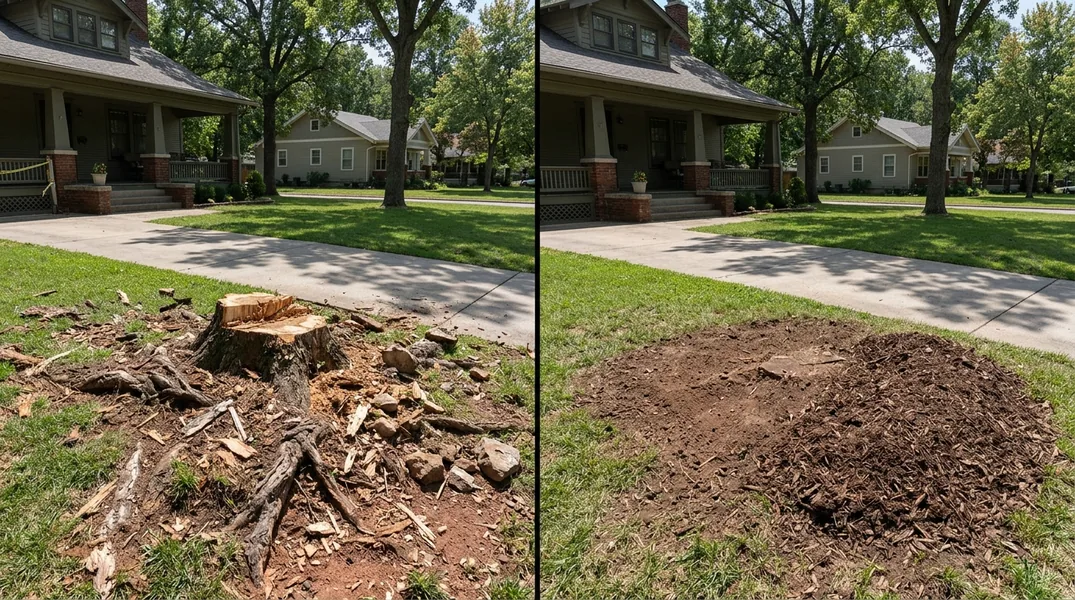
What to Do Immediately After a Storm-Damaged Tree
When a severe storm rolls through Springfield, fallen or damaged trees can pose serious safety risks to your home, family, and neighbors. The first priority after any storm is to assess the situation safely. Do not approach a downed tree if power lines are involved, as this creates an immediate electrical hazard. If you see a tree leaning against your home or blocking a roadway, keep everyone away from the area and contact local authorities if it affects public safety.
Once you've confirmed the area is safe, take photos and videos of the damage from a distance. Document the tree's condition, its location relative to your property, and any damage to structures, vehicles, or landscaping. This documentation is crucial for insurance claims and will be essential when you contact a professional for Emergency Tree Service. Note the date and time of the storm, wind speeds if available, and any weather warnings that were in effect. These details strengthen your insurance claim and help the tree service company understand the scope of work needed.
Understanding Fallen Tree Insurance Coverage in Missouri
Many homeowners assume their homeowner's insurance will automatically cover storm damage, but Missouri insurance policies vary significantly. Most standard homeowner's policies do cover fallen trees and storm damage, but only if the tree falls as a direct result of a covered peril, such as high winds, lightning, or heavy snow. If a tree falls due to poor maintenance, disease, or simply old age, your insurer may deny the claim. This distinction is why documenting the storm event itself is so important.
Before filing a claim, review your policy carefully or contact your insurance agent to understand your coverage limits and deductible. Some policies cover the cost of Tree Removal in full, while others may have caps or exclude certain types of removal work. Additionally, coverage often depends on whether the tree damaged your home or only fell on your property. A tree that falls entirely within your yard but causes no structural damage may not be covered at all. Understanding these nuances helps you file a more effective claim and set realistic expectations for reimbursement.
Documenting Damage: What Insurance Companies Need
Insurance adjusters require thorough documentation to approve claims for storm-damaged trees. Start by photographing the tree from multiple angles, showing how it fell, its proximity to your home or other structures, and any visible damage to your property. Include wide-angle shots that show the storm's broader impact on your yard, as well as close-ups of specific damage points. If the tree struck your roof, siding, fence, or vehicles, photograph those areas in detail. Take pictures during daylight and, if possible, from the same vantage points a day or two later to show the full extent of the damage.
In addition to photos, maintain a written record of all events. Write down the date and time the tree fell, weather conditions at the time, and any injuries or immediate dangers that resulted. Keep receipts and quotes from tree service companies, as these become part of your claim documentation. When you contact Springfield Tree Service at (417) 329-2977 for a free estimate, ask the arborist to document the tree's condition in their report, noting signs of disease, structural weakness, or storm damage. Many professional tree removal companies provide detailed assessments that insurers value highly. Store all documentation in one folder, either physical or digital, and share it with your insurance adjuster promptly.
When to Call Emergency Tree Removal Near Me
Not all fallen trees require immediate professional attention, but certain situations demand urgent action. If a tree is leaning against your home, blocking your driveway, or creating an obvious hazard, Emergency Tree Service should be your first call. Similarly, if the tree has damaged power lines, your roof, or is blocking emergency vehicle access, do not wait. Springfield Tree Service offers 24/7 emergency response because these situations can worsen quickly, especially if rain is forecast or high winds continue.
For less urgent situations, such as a tree that fell entirely in your back yard away from structures, you have more time to get multiple quotes and plan the work. However, do not leave a fallen tree unattended for weeks. Decomposing wood attracts pests, creates ongoing safety hazards, and complicates the removal process. If you are unsure whether your situation warrants emergency service, call Springfield Tree Service at (417) 329-2977 to speak with an arborist who can advise you based on your specific circumstances. Most companies, including ours, offer same-day assessment and can often begin work within 24 to 48 hours of a major storm.
Choosing a Tree Removal Service in Springfield: What to Look For
When seeking professional help for storm-damaged trees, not all tree service companies are equally qualified. Look for a company that is fully insured, and bonded. This protects you from liability if a worker is injured on your property and ensures the company has the expertise to handle complex removals safely. Ask about the company's experience with storm damage specifically, as this requires different techniques than routine Tree Removal. A reputable company should provide a detailed written estimate before work begins, clearly outlining what will be removed, how debris will be handled, and whether Stump Grinding is included.
Springfield Tree Service has served the Springfield community for years and understands the unique challenges of our local climate and tree species. When you request a free estimate, we assess not only the immediate removal but also the potential for additional damage or hazards. We work directly with insurance companies and can provide documentation that supports your claim. Our team responds quickly to emergencies and handles the entire process, from initial assessment through debris removal and site cleanup, so you can focus on other aspects of storm recovery.
Tree Removal Cost in Springfield: What to Budget
The cost of removing a storm-damaged tree varies widely depending on the tree's size, location, condition, and whether it has already fallen. A small tree in an open yard might cost between 300 and 800 dollars, while a large tree close to your home could easily exceed 2,000 dollars. Storm-damaged trees sometimes cost more to remove safely because they are unstable, partially suspended, or intertwined with power lines or structures. Before authorizing any work, always request detailed pricing from multiple companies so you can compare not just cost but also the scope of work included.
Many homeowners are surprised to learn that insurance may cover a significant portion of removal costs, especially if the tree damaged your home. However, coverage depends on your policy and the circumstances of the fall. Rather than paying out of pocket first and seeking reimbursement later, ask your insurance company whether they can authorize the work directly or reimburse the tree service provider. Springfield Tree Service can work with your adjuster to streamline this process. When you call (417) 329-2977 for a free estimate, mention your insurance claim so we can provide documentation that meets your adjuster's requirements and helps ensure the smoothest possible claim resolution.
Looking for a professional tree service contractor in Springfield? Springfield Tree Service responds fast for all your tree service needs.
Get a Free QuoteOur services: Tree Removal · Tree Trimming & Pruning · Stump Grinding