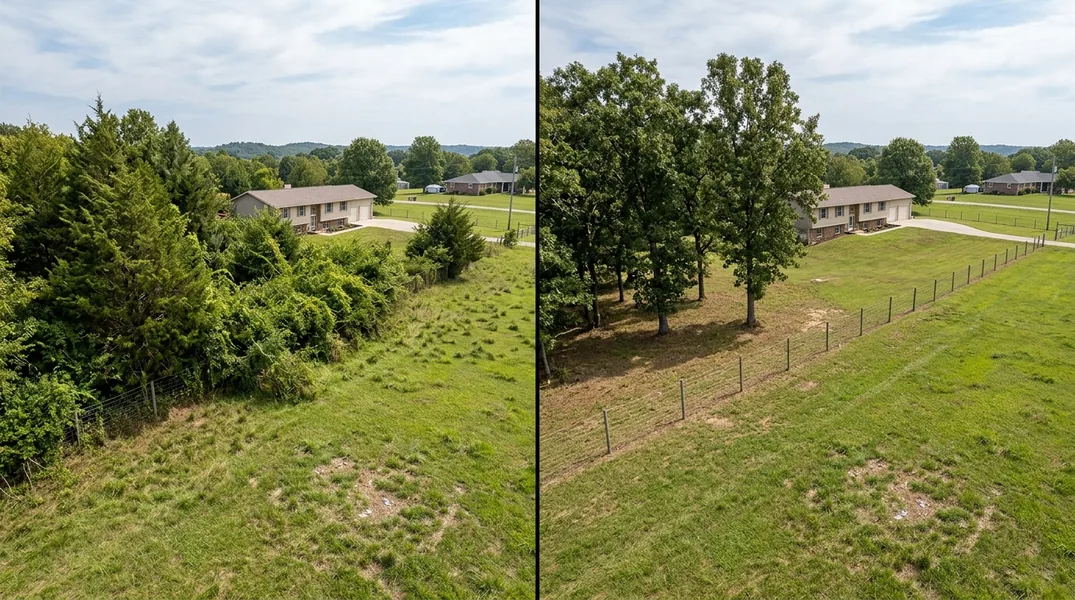
Understanding Ice Storm and Tornado Damage to Trees in Missouri
The Ozarks experience some of the most unpredictable and severe weather in the nation. From late winter ice storms that coat branches with heavy accumulation to spring tornadoes that can snap mature trees like matchsticks, homeowners in Springfield face unique challenges when it comes to protecting their landscape. Ice storm tree damage Missouri residents witness each year causes millions of dollars in property damage and creates hazardous conditions that persist long after the storm passes.
When ice accumulates on branches, the weight can exceed what even healthy trees can support. A single inch of ice can add 500 pounds of weight to a branch, and many winter storms deposit far more than that. The damage isn't always immediate either. Trees weakened by ice may show signs of stress weeks or months later, with branches dying back gradually or becoming susceptible to disease. Similarly, tornado tree damage Springfield residents experience tends to be catastrophic and immediate, but the underlying cause is often rooted in poor tree health or structural weakness that could have been prevented with proper maintenance.
Why Spring Severe Weather Poses Extra Risk to Your Trees
Spring in the Ozarks brings warm days followed by sudden cold snaps, heavy rains, and violent thunderstorms that can spawn tornadoes. This volatile weather pattern creates stress on trees that are just beginning to leaf out and allocate energy to new growth. Trees that survived winter may be particularly vulnerable during spring storms because they've already committed resources to new branches and foliage, making them heavier and less flexible than dormant trees. Additionally, soil saturated from spring rains weakens root systems, reducing a tree's ability to anchor itself against high winds.
The combination of rapid weather changes and active growth cycles means spring is actually a critical window for tree assessment and preparation. A tree that looks fine in March might be at serious risk by April if it has structural weaknesses or diseased limbs that haven't been addressed. This is why many arborists recommend evaluating your trees in early spring before severe weather season reaches its peak. Identifying and removing hazardous branches now can prevent emergency situations later and protect your home, vehicles, and family from falling debris.
The Importance of Preventive Tree Trimming Springfield Homeowners Shouldn't Ignore
Tree Trimming & Pruning isn't just about aesthetics. It's one of the most effective ways to reduce storm damage risk on your property. Proper trimming removes dead or diseased branches that are likely to fail during high winds or heavy snow and ice loads. It also improves air circulation through the canopy, reducing wind resistance and allowing storms to pass through more easily. Trees that have been properly maintained are significantly more likely to survive severe weather intact than neglected trees with dense, overgrown canopies and multiple dead limbs.
The timing of trimming matters as well. Late winter, before spring growth begins, is ideal for most tree species in the Ozarks. This allows trees to heal quickly as they enter their active growing season and gives you a clear view of the branch structure without leaves obscuring your vision. During your trimming assessment, a experienced arborist will look for branches that cross or rub against each other, limbs that grow downward or at weak angles, and any signs of disease or pest damage. These problem areas are exactly where storm damage typically initiates. When you invest in preventive tree trimming now, you're essentially buying insurance against future storm damage.
Storm Prep Tree Service Ozarks Residents Can Count On
Beyond trimming, comprehensive storm preparation involves several steps that go beyond what most homeowners can accomplish alone. A professional arborist will evaluate your entire landscape to identify trees that pose a hazard to structures, power lines, or neighboring properties. They'll assess tree health, root stability, and structural integrity. Trees that are leaning, have significant cavities, or show signs of root damage may need to be removed or heavily pruned to reduce risk. This assessment is especially important if you have large trees close to your home, deck, or where vehicles are parked.
Storm prep also includes removing branches that hang over your roof or gutters. These branches can cause water damage during heavy rains and create a direct path for falling debris to hit your home during storms. Removing lower branches that obstruct visibility from windows also helps you identify potential hazards earlier. If you have trees with multiple trunks that are splitting apart or branches with included bark (where bark is trapped between two branches), these need professional attention before severe weather arrives. The investment in proactive storm preparation is far less than the cost of emergency repairs or property damage after a storm hits.
When to Call Emergency Tree Service Springfield Residents Face After Storms
Despite your best preparation efforts, storms sometimes cause damage that requires immediate professional response. Emergency Tree Service is critical when trees have fallen across driveways or roads, when branches are hanging dangerously over homes, or when trees are leaning precariously. Never attempt to remove a fallen tree or cut down a hanging branch yourself. These situations are extremely dangerous and require professional equipment, training, and insurance. Broken branches can fall unexpectedly, tree trunks can roll, and power lines may be hidden in the debris.
After major storms pass through Springfield, emergency tree service companies become overwhelmed with calls. If you experience storm damage, contact Springfield Tree Service at (417) 329-2977 as soon as it's safe to do so. Even if your property isn't in immediate danger, getting on a professional's schedule quickly ensures your damage is addressed before secondary problems like disease or pest infestation develop. Many insurance policies cover tree removal when storms cause damage, so ask about documentation that your insurance company may require.
Creating Your Spring Storm Preparedness Plan
The best time to prepare for spring severe weather is right now, while trees are still dormant or just beginning to leaf out. Start by walking your property and identifying all trees within 60 feet of your home, garage, deck, or where family members spend time outdoors. Note any trees that are obviously dead, diseased, or leaning. Look for branches that are already broken or hanging, dead wood in the canopy, or signs of pest damage like holes or sawdust. Take photos and make notes about which trees concern you most. This inventory will help you prioritize when you contact a professional for evaluation.
Next, schedule a free estimate with Springfield Tree Service to assess your specific situation. A experienced arborist can provide a detailed recommendation for which trees should be trimmed, which might need removal, and what timeline makes sense for your property. They can also discuss pricing options and help you understand what your insurance may cover. Once you have a plan in place, you'll have peace of mind knowing that you've taken concrete steps to protect your home and family from storm damage. Call (417) 329-2977 today to get started with your spring tree assessment.
Looking for a professional tree service contractor in Springfield? Springfield Tree Service responds fast for all your tree service needs.
Get a Free QuoteOur services: Tree Removal · Tree Trimming & Pruning · Stump Grinding